
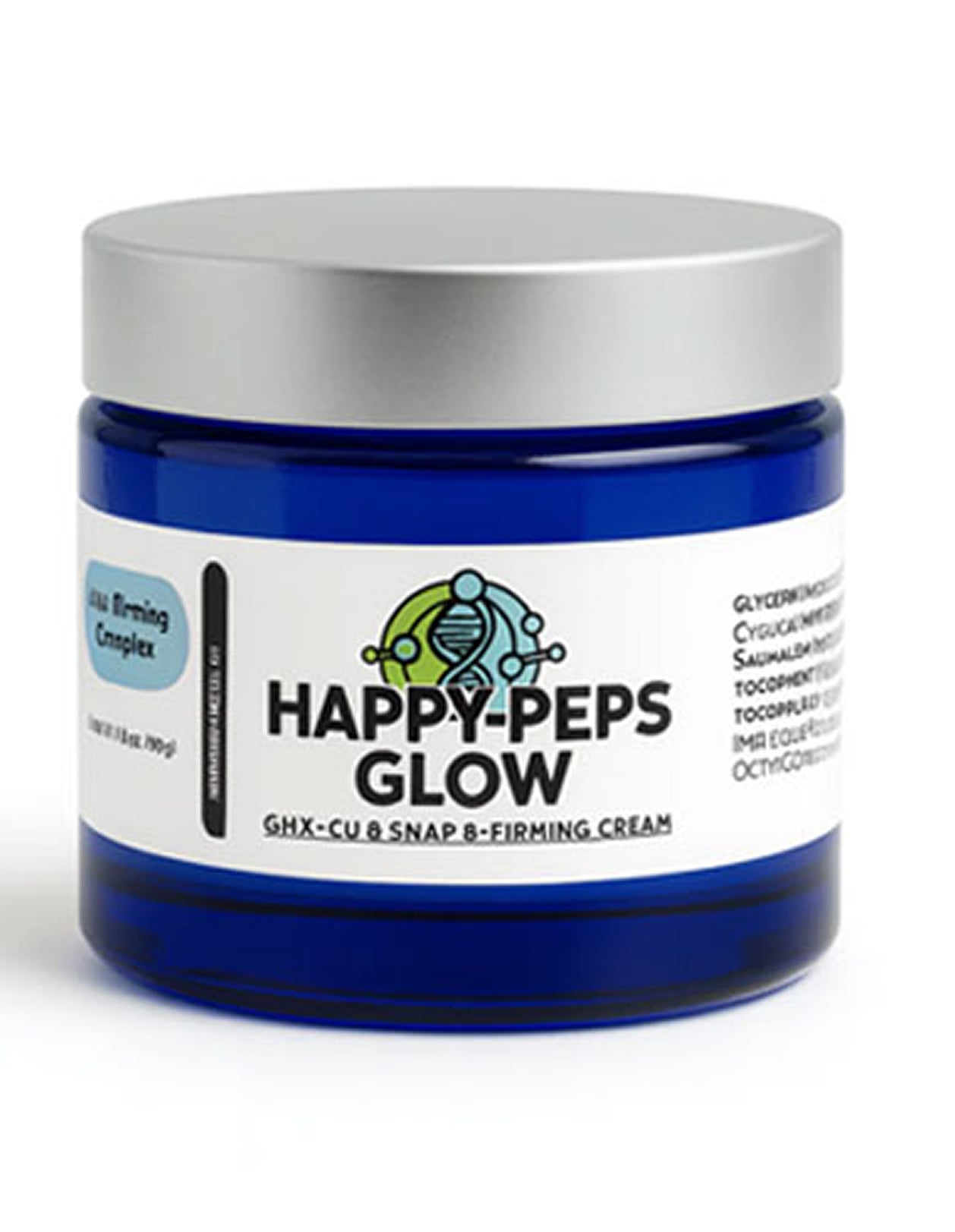
Description
Product Details
Snap-8 (Acetyl Octapeptide-3)
Snap-8 is utilized in laboratory settings for the study of peptide interaction pathways, neuromodulating-peptide analog behavior, and expression-line modeling within in-vitro systems. Its structure makes it valuable for research exploring mechanisms related to peptide-based relaxation pathways and how they may influence surface-tension simulation in topical-style matrices.
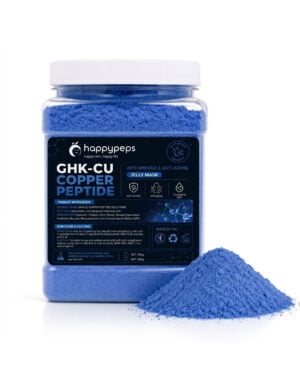
GHK-Cu (Copper Tripeptide-1)
GHK-Cu is widely examined in scientific research for its regenerative signaling properties, making it suitable for studies involving collagen-related pathways, wound-healing models, cellular communication, and peptide-metal complex behavior. Researchers often use it to analyze tissue-matrix interactions, peptide-driven structural protein expression, and overall biomodulation processes within controlled laboratory environments.
Research Focus
Complementing the primary peptide components, this formulation includes a controlled blend of additional compounds selected for laboratory evaluation of matrix behavior, stability, and ingredient-interaction profiling:
- Hyaluronic Acid & Sodium Hyaluronate: Utilized for research involving water-binding capacity, viscosity modulation, and hydration-retention modeling within topical-style systems.
- Carnosine & Arginine: Incorporated for studies related to antioxidant activity, peptide interaction behavior, and oxidative-stress modeling in controlled environments.
- Squalane & Jojoba Seed Oil: Employed for examining emollient characteristics, barrier-mimicking effects, and lipid-phase compatibility in formulation research.
- Vitamin E (Tocopherol): Included as a lipid-soluble antioxidant reference material for research centered on free-radical interactions, oxidative stability, and preservative performance.
- Snail Secretion Filtrate & Oat Glucan: Added for investigating biomaterial soothing-agent analogs, polymer behavior, and film-forming properties under laboratory conditions.




There are no reviews yet.